Garage Mold Removal
Professional assessment and removal of mold growth in garages to restore a safe, clean space.
Garage mold removal in Norristown, PA, addresses dampness-driven mold growth in garages, where poor ventilation and moisture create ideal conditions for spores to spread. Professional remediation includes containment, material removal or cleaning, HEPA filtration, structural drying, and clearance testing to help prevent regrowth.
This process is designed to safely eliminate mold while addressing underlying moisture issues that often persist after surface cleaning alone.
We also handle Crawl Space & Basement Mold Remediation and Attic Mold Remediation for Norristown properties.
When garage mold removal is needed
Mold in garages often starts small but can quickly become a larger issue if moisture sources like leaks, condensation, or poor drainage remain unaddressed.
Signs that professional removal may be needed include mold covering more than a small, isolated patch (generally over 25 square feet), persistent regrowth after cleaning, or a musty odor with no visible mold—indicating hidden growth. These conditions suggest the problem extends beyond surface-level cleanup.
A musty smell that worsens when the HVAC system runs may also signal mold in ductwork or behind walls, requiring professional inspection. Without fixing the moisture source, visible mold often returns within months, making remediation ineffective. Addressing both the mold and its cause helps reduce the likelihood of recurrence.
Signs Professional Garage Mold Removal May Be Needed
- Mold covers more than a small, isolated patch (typically over 25 square feet).
- Mold keeps returning in the same spot after cleaning attempts.
- A musty odor is present with no visible mold, suggesting hidden growth.
- The smell worsens when the HVAC system is running, possibly indicating mold in ductwork.
What affects the cost and scope of garage mold removal
The cost of garage mold removal varies based on the size of the affected area, the type of mold, and the materials involved. Surface-level mold on drywall, tile, or similar finishes typically costs less than cases involving black mold or hidden growth behind walls or under flooring.
Additional factors, such as the need for structural drying or extensive material removal, can also influence pricing.
Containment, HEPA filtration, and clearance testing are critical steps that help ensure thorough remediation but may be priced separately. A low estimate that excludes these steps may not fully address the problem, leading to higher costs later if spores spread beyond the treated area.
What to look for in a mold removal provider
Choosing a provider for garage mold removal involves verifying their approach to containment, testing, and moisture source resolution. A written scope of work before any work begins helps avoid disputes over what is included.
Clear pricing for containment, clearance testing, and material removal ensures transparency, while a third-party lab test confirms the mold species and verifies clearance after remediation.
Avoid providers who rush the inspection or demand full payment upfront. Legitimate remediation requires time to assess the scope accurately, and payment should align with the work completed.
In Pennsylvania, mold remediation contractors must register under the Home Improvement Consumer Protection Act (HICPA) if earning over $5,000 annually from residential work, but this does not substitute for local licensing requirements.
Red Flags in a Mold Removal Quote
- A verbal price with no written, itemized scope of work.
- A bid significantly lower than others for the same square footage.
- Full payment requested before any work has started.
- No mention of post-remediation clearance testing.
How garage mold removal works
- 1Containment
Plastic sheeting and negative-air machines seal off the work area to prevent spores from spreading during removal. This step helps keep the garage isolated while affected materials are disturbed.
- 2Material Removal or Cleaning
Porous materials like drywall or insulation, which absorb mold, are typically removed and disposed of in sealed bags. Non-porous surfaces like framing or tile are scrubbed and treated instead of discarded.
- 3HEPA Filtration and Vacuuming
HEPA-filtered air scrubbers run continuously during the job, and surfaces are vacuumed with HEPA equipment to capture spores. Standard filters do not trap mold spores, so this step is critical for preventing airborne contamination.
- 4Structural Drying
Industrial dehumidifiers and air movers reduce moisture in framing and subfloors to normal levels. Mold regrows on damp materials, so drying ensures the space is fully prepared for sealing.
- 5Clearance Testing
An independent lab conducts air or surface sampling to confirm spore levels are within normal ranges before containment is removed. This step verifies the remediation was effective.
Frequently asked questions
How do I know if my garage mold is beyond what I can clean myself?
If the mold covers more than a small, isolated patch (typically over 25 square feet), keeps returning after cleaning, or you notice a musty odor with no visible mold, professional removal is likely needed. Hidden growth or black mold also require expert handling.
Will the mold come back if I only clean the visible spots?
Cleaning visible mold without fixing the moisture source—such as leaks, condensation, or poor drainage—often leads to regrowth. Professional remediation addresses both the mold and its cause to help reduce the likelihood of recurrence.
Do I need to leave the house during the mold removal process?
While not always required, some homeowners choose to leave during containment and removal to avoid exposure to spores. The process is designed to minimize disruption, but ventilation and air quality may be affected temporarily.
How do I know if the mold removal was successful?
A post-remediation clearance test by an independent lab confirms whether spore levels are back to normal ranges. Without this step, there’s no way to verify the job was fully effective.
Where Norristown sits, and what the Census lists nearby
Norristown sits in Pennsylvania, and the closest places listed in the U.S. Census Gazetteer are Bridgeport (1.3 miles south), Swedesburg (1.4 miles south), Swedeland (2.4 miles south), King of Prussia (2.7 miles southwest). Within 25 miles of Norristown the same source lists 222 distinct incorporated places and census-designated places.
Those figures matter for garage mold removal because they are straight-line distances between Census coordinate points: road mileage between Norristown and Bridgeport runs longer than the 1.3 miles shown, which is why quotes for the same job differ between towns that look close together on a map.
Source: U.S. Census Bureau Gazetteer.
See Bridgeport, PA for more, or browse what we cover for Norristown properties at a glance for our complete lineup.
Ready to get started?
Talk to a local mold remediation pro in Norristown — get a written quote.
Other Mold Remediation Services in Norristown
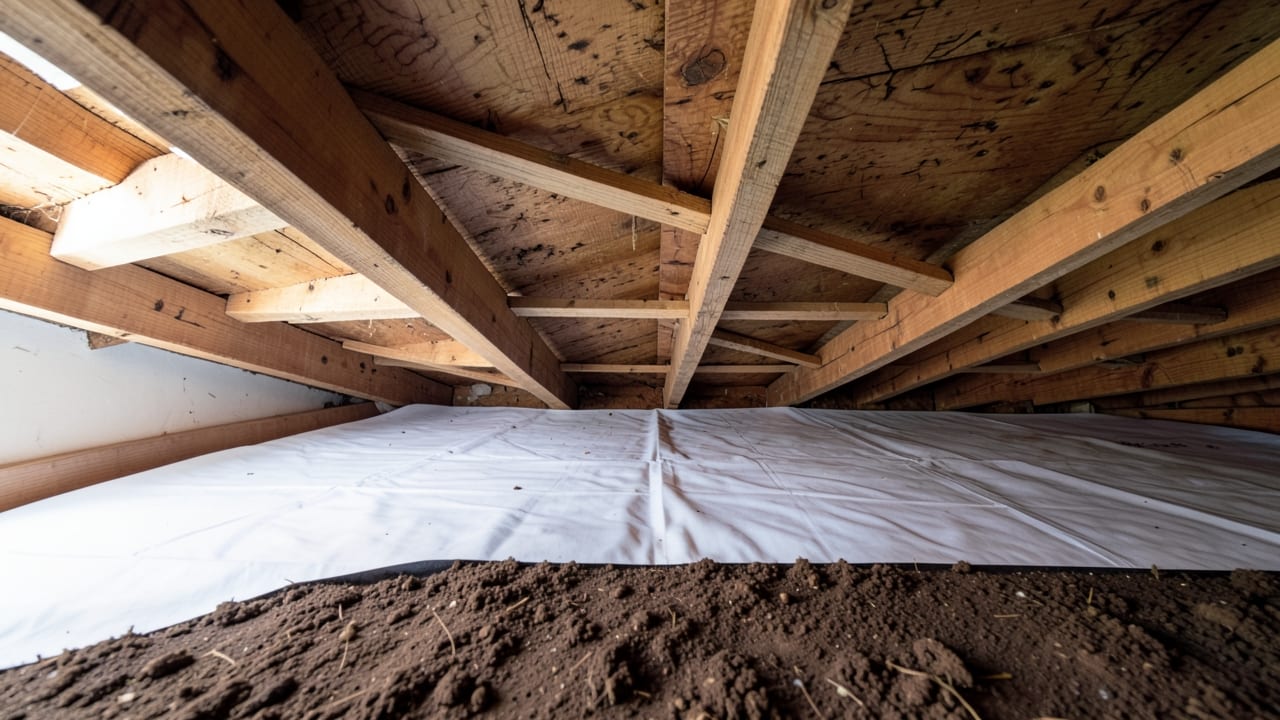
Crawl Space & Basement Mold Remediation in Norristown, PA
Crawl space and basement mold remediation in Norristown, PA addresses the two areas of a property most prone to trapped, unnoticed moisture.
Learn More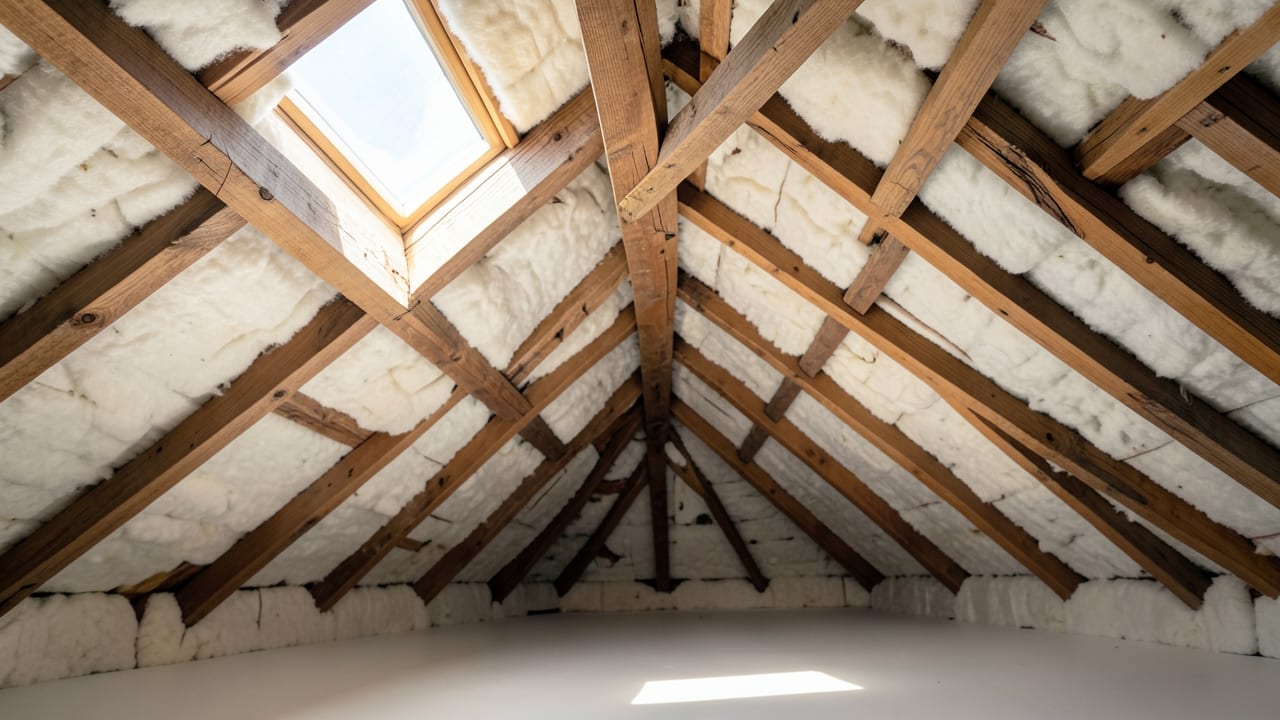
Attic Mold Remediation in Norristown, PA
Attic mold remediation in Norristown, PA addresses roof-deck growth typically caused by poor ventilation or a hidden roof leak.
Learn More
Commercial Mold Remediation in Norristown, PA
Commercial mold inspection and remediation in Norristown, PA for offices, retail space, and multi-unit properties, scheduled around business operations.
Learn More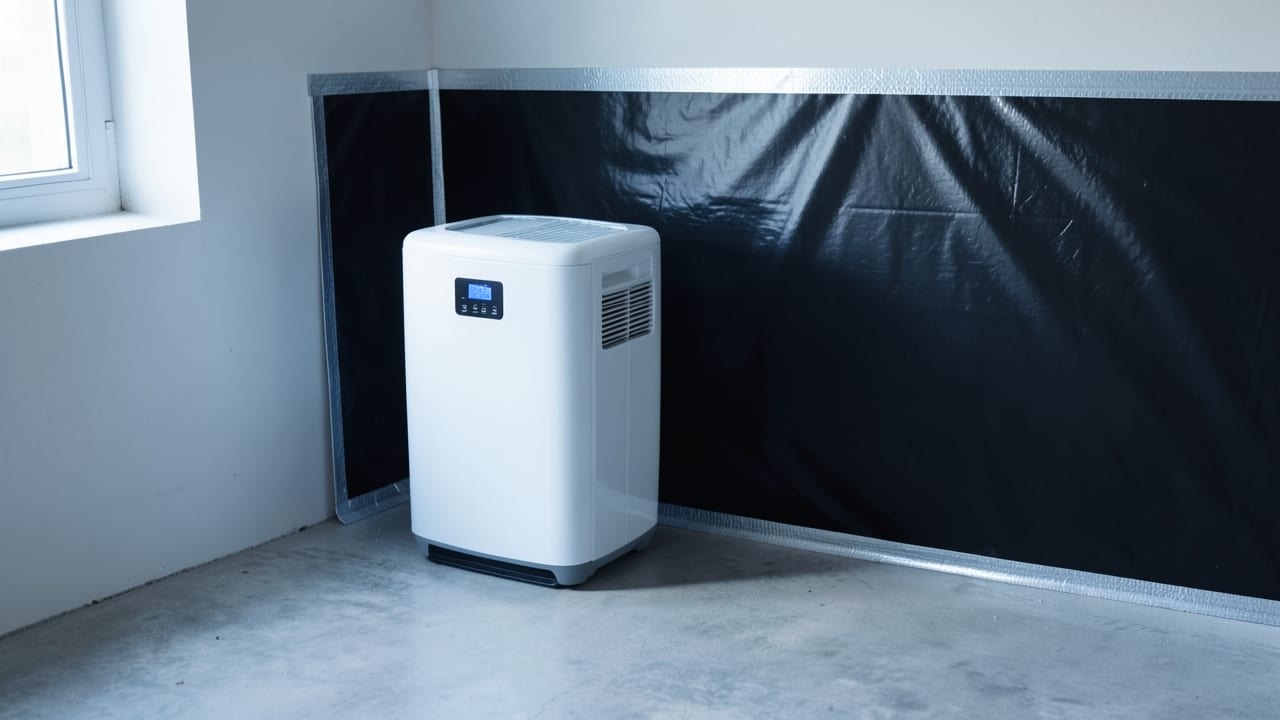
Mold Prevention & Moisture Control in Norristown, PA
Mold prevention and moisture control in Norristown, PA — addressing ventilation, humidity, and drainage before growth starts, not after.
Learn More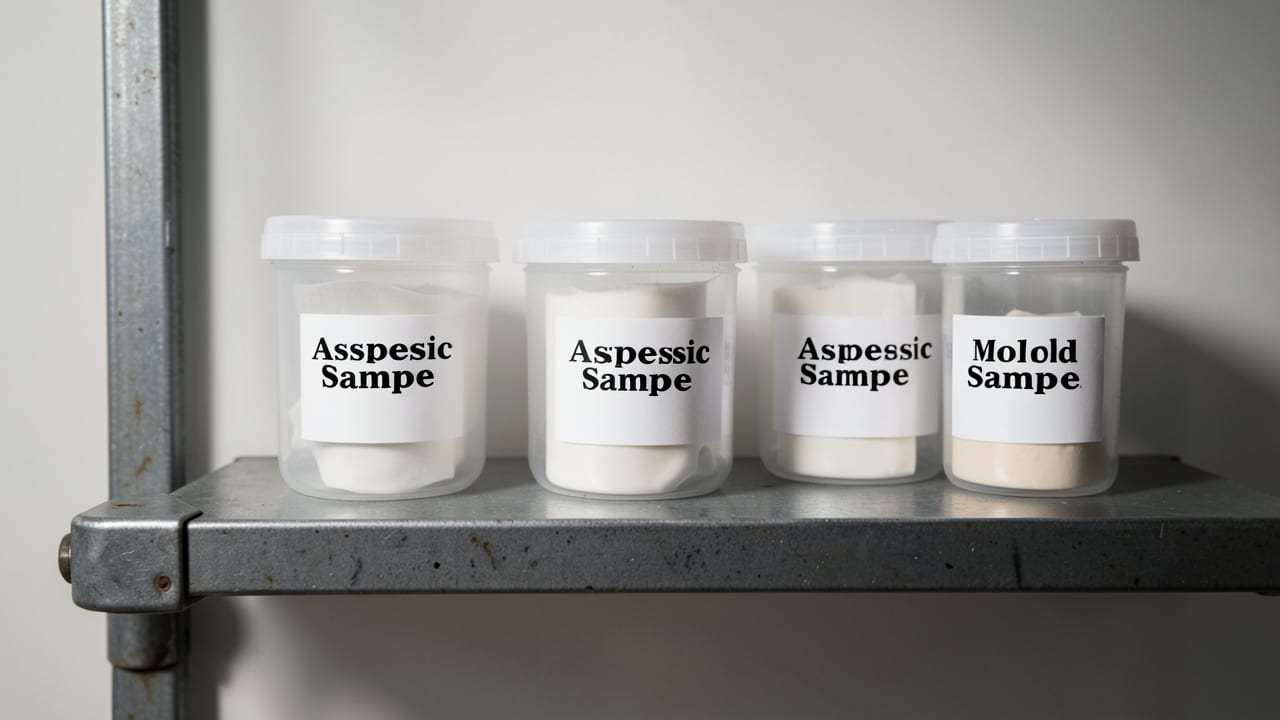
Mold & Asbestos Testing in Norristown, PA
Combined mold and asbestos testing in Norristown, PA — one inspection visit, lab-verified results for both.
Learn More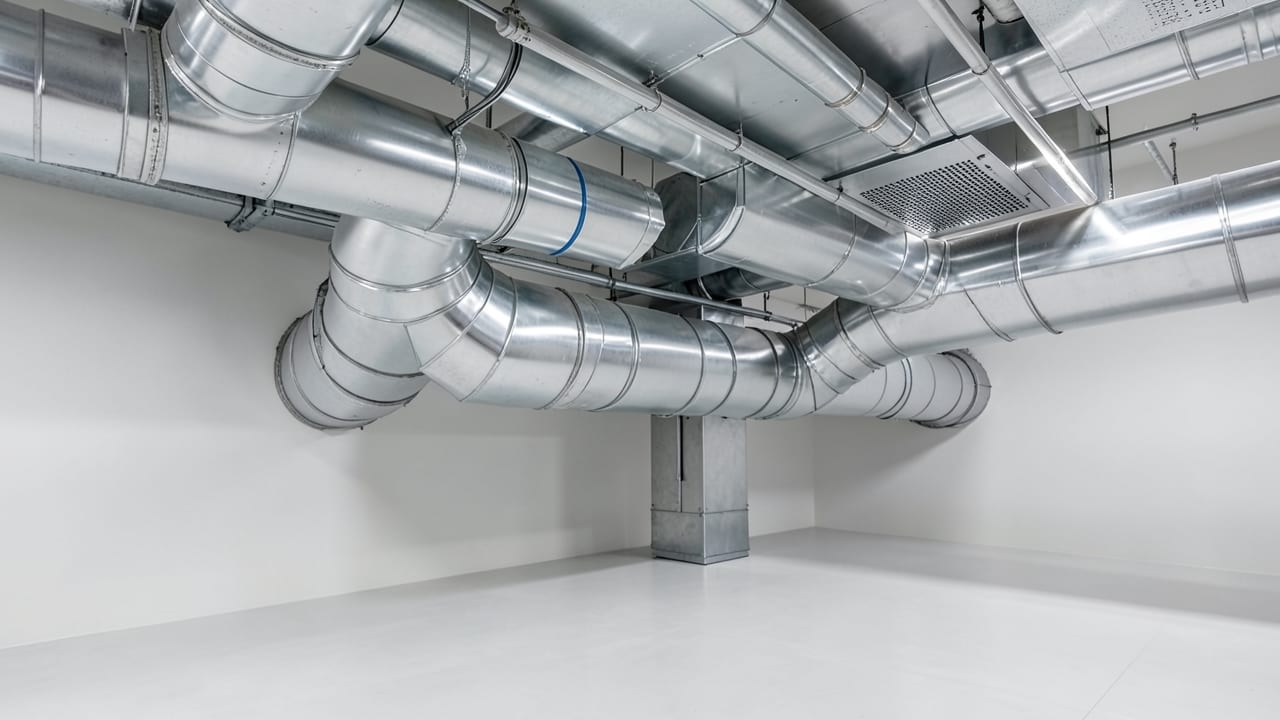
HVAC Mold Remediation in Norristown, PA
HVAC and ductwork mold remediation in Norristown, PA — mold growing inside the air handler or duct system, spreading through every vent.
Learn MoreCommon Questions About Mold Remediation in Norristown
Everything you need to know about mold remediation services in Norristown
How much does Garage Mold Removal typically cost in Norristown, PA?
Why does Norristown, PA's humidity make mold a bigger risk than in drier regions?
How does mold remediation actually prevent the problem from coming back?
Can mold growing inside HVAC ductwork spread to the rest of a home?
Does mold mean the same thing as mildew?
Does homeowners insurance typically cover mold remediation?
Need Mold Remediation in Norristown?
Connect with local providers in Norristown for a detailed quote.
⏰ We answer your call • Serving all of Norristown and surrounding areas